


So you’re thinking about buying an apartment or townhouse in Victoria? Good on ya! But before you sign on the dotted line, let’s have a discussion on a topic that catches a lot of first-time buyers off guard: body corporate fees.
Look, we get it. Look, body corporate fees might feel like just another bill piling up on top of your mortgage, rates, and insurance – we get it. But here’s the thing: getting your head around what you’re actually paying for (and what’s fairly reasonable to fork out) can save you a massive headache later on. Whether you’ve got your eye on a swanky apartment smack bang in Melbourne’s CBD or a nice townhouse out in the suburbs, this guide will help you sort through all the body corporate fee stuff in Victoria without making your brain hurt.
So What Actually Are Body Corporate Fees?
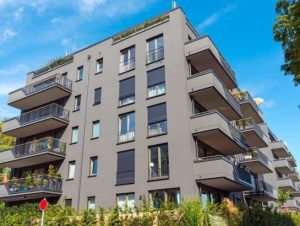
Right, let’s kick off with the basics. When you buy into a strata-titled property – basically any apartment, unit, or townhouse where you’re sharing common areas with your neighbours – you automatically become part of what’s called an owners corporation (used to be called a body corporate, if you’re wondering). Think of it like a little community where everyone chips in to keep the joint running smoothly.
These body corporate fees? That’s just your bit towards keeping everything in good nick. We’re talking about the hallways, lifts, gardens, pools, gyms, driveways – basically anything that’s not inside your own four walls. Someone’s got to pay for the gardener, the lift maintenance, the insurance on the building, and that fancy security system, right? That someone is you and your fellow owners.
Breaking Down the Types of Fees
Now, here’s where it gets a bit more interesting. Body corporate fees aren’t just one lump sum pulled out of thin air. They’re typically divided into three main categories, and knowing the difference can help you spot whether you’re getting a fair go.
Administrative Fund Fees
This is the bread and butter of your body corporate fees – the day-to-day running costs. Think cleaning the common areas, mowing the lawns, paying the electricity bill for the lobby, insurance premiums, and the management fees if you’ve got a professional strata manager. It’s the stuff that keeps the building ticking over nicely week in, week out.
Sinking Fund Fees (The Rainy Day Fund)
This is where things get smart. The sinking fund is like a savings account for your building’s future. Instead of getting slapped with a massive bill when the roof needs replacing or the lifts pack it in, everyone’s been gradually contributing to a fund that covers these big-ticket items. It’s all about planning ahead – painting the building, fixing structural issues, upgrading facilities. You’ll thank your past self when that fund’s there when you need it.
Special Levies
Nobody likes these, but sometimes they’re unavoidable. If something unforeseen arises – such as emergency works from storm damage or a large repair that the sinking fund is not able to cover – the owners corporation may vote to authorise a special levy. In Victoria, this typically needs approval from 75% of owners. It’s basically everyone chipping in extra to cover an unforeseen expense.
So, What Should You Actually Expect to Pay?
Alright, let’s talk numbers. This is probably what you’ve been waiting for, yeah? The truth is, body corporate fees in Victoria vary massively depending on what you’re buying and where. Melbourne CBD and inner suburb high-rise apartments typically range from $2,000 to $5,000 per year, but luxury apartments with swimming pools, gyms, and roof gardens go upwards of $8,000. That rooftop infinity pool doesn’t maintain itself, unfortunately.
For medium-sized apartment complexes in the outer suburbs with fewer bells and whistles, you’re looking at somewhere between $1,000 and $3,000 per year. These buildings might have shared parking and basic maintenance, but they’re not trying to compete with the Ritz. Townhouses and smaller unit blocks with minimal shared spaces usually have lower fees, ranging from $500 to $2,000 annually. Less common property means less to maintain, which keeps costs down.
And if you’re splashing out on exclusive, high-end properties with concierge services, valet parking, and all the fancy trimmings? Expect to shell out upwards of $10,000 per year. But hey, you’re paying for premium service.
What Influences Your Body Corporate Fees?
You may be thinking about why the apartment on the next road is charged half the amount of body corporate fees compared to yours. Well, a few reasons come into play:
The Property’s Age and Size
Older structures tend to require more TLC, and that costs more. That quaint art deco building may be more expensive to maintain than a newer high-rise. Again, larger buildings with more units and more expansive common areas tend to have greater overheads.
Location, Location, Location
Premium areas like Melbourne’s CBD typically come with premium fees. The costs of maintaining properties in high-traffic areas, combined with higher service standards, naturally push prices up.
Amenities and Facilities
Want a pool, gym, sauna, and 24/7 security? All of that costs money to run and maintain. The more facilities your building offers, the higher your fees will be. It’s worth asking yourself whether you’ll actually use that gym or if you’re just subsidising everyone else’s workout routine.
Professional Management
Many owners corporations hire professional strata managers to handle the nitty-gritty administrative work. While this guarantees everything functions efficiently and professionally, it contributes to the overall expense. The other option – a self-managed scheme in which owners perform the work themselves – saves money but demands a reasonable amount of time from volunteers.
Employing a Body Corporate Fees Calculator
If you’re attempting to budget for buying your property, a body corporate fees calculator can prove useful. While these calculators can’t give you an exact figure (every building is different), they can provide a ballpark estimate based on property type, location, and amenities. Most body corporate fee calculator tools will ask you about the size of your complex, what facilities it offers, and where it’s located. They’ll then compare this against averages from similar properties to give you an estimate. It’s not gospel, but it’s better than going in blind.
Keep in mind that any body corporate fees calculator is only as good as the data you feed it. The best way to know what you’ll actually pay? Ask for the previous year’s financial statements and minutes from the owners corporation. They’ll show you exactly what’s been spent and what’s coming up.
The Hidden Cost of ‘Cheap’ Fees
Here’s something important that a lot of Australia body corporate buyers miss: suspiciously low body corporate fees aren’t always a bargain. In fact, they can be a massive red flag.
If a building’s fees seem way too good to be true compared to similar properties, it might mean the owners corporation has been skimping on maintenance or not properly funding the sinking fund. This is especially common in older, self-managed buildings where owners vote to keep fees low to save money in the short term. The problem? Eventually, those bills come due. You might buy in thinking you’ve scored a ripper deal with $400 annual fees, only to cop a $15,000 special levy six months later when the façade needs emergency repairs. Not exactly the bargain you thought it was, eh?
What Your Fees Really Pay For (And What They Don’t)
Let’s dispel a popular myth: body corporate fees don’t pay for everything. They generally consist of:
- Building insurance (for the building and common areas)
- Repairs and maintenance of common property
- Cleaning of the shared areas
- Gardening and landscaping
- Common area utility bills
- Strata management charges
- Lift maintenance
- Security systems
- Pool and gym maintenance
- What they don’t pay for:
- Council rates (you pay these in addition)
- Your personal contents insurance
- Your individual unit utility bills
- Repairs within your own home
- Your mortgage payments
It’s important to appreciate this difference, particularly when it comes to budgeting. Don’t think your body corporate charges pay for all building-related things.
Tips for Keeping Track of Your Body Corporate Fees
Engage with Your Owners Corporation
The best way to know where your money’s going is to attend the Annual General Meetings (AGMs). This is where budgets get discussed and voted on. If you reckon fees are too high or money’s being wasted, this is your chance to have your say.
Review the Financial Statements
Before buying, always request copies of the past few years’ financial statements. Look at the sinking fund balance – is it healthy or has it been neglected? Look out for special levy patterns. If they’re recurring, that indicates bad planning.
Look at the Age and Condition
A newer building may charge less when it’s first built, but bear in mind the heavy parts, such as roofs and lifts, will eventually have to be replaced. An older building with a healthy sinking fund could possibly be a better risk than one that’s just been newly built and has very little reserves.
Don’t Cut Corners on Professional Management
Though cost-cutting schemes operate on their own, they need committed, experienced volunteers. For most Australia body corporate arrangements, professional management is worth the additional expense for the peace of mind and knowledge it offers.
The Bottom Line on Body Corporate Fees Victoria
Look, no one enjoys paying body corporate fees, but they are a part of apartment and townhouse living. The key is making sure you’re paying a fair amount for decent service and that your building is being properly maintained. Before you buy any strata property in Victoria, do your homework. Use a body corporate fees calculator to get a rough idea of what’s reasonable, but don’t stop there. Review the actual financial statements, check the condition of common areas, and ask lots of questions. Are the fees adequate to cover ongoing maintenance? Is the sinking fund being properly managed? Have there been recent special levies?
Look, here’s the thing – you’re not trying to find the absolute cheapest body corporate fees out there. What you really want is fees that give you decent bang for your buck and show the building’s being looked after properly. A solid owners corporation with fair fees, healthy savings in the kitty, and maintenance sorted before things go pear-shaped? That’s worth its weight in gold compared to some dodgy complex with dirt-cheap fees where everything’s falling apart.
At the end of the day, whether you’re checking out a schmick city apartment or a townhouse in the suburbs, getting your head around body corporate fees is pretty crucial for making a smart property choice. Take the time to do your homework now, and you’ll save yourself a world of stress and cash down the track. Got questions about body corporate fees or thinking about going self-managed with your strata? That’s exactly what we’re here for. At Our Body Corp, we’re all about helping property owners right across Victoria make sense of the sometimes-confusing world of body corporate management in Australia. Give us a bell, and let’s have a proper chat about what’ll work best for you.
Thinking about managing your own owners corporation? Our Body Corp provides expert advice and support for self-managed strata schemes throughout Victoria. Contact us today to learn how we can help you take control of your building’s management while keeping costs fair and transparent.


