


Strata property owners in Australia pay a fee associated with strata-titled buildings to a body corporate. The body corporate further utilises the fees in covering the cost of maintenance and repairs in the common areas and paying for general maintenance like building insurance.
But the question that remains unanswered is, what are body corporates? This guide will delve into everything you need to know about body corporates, including what it covers, how it’s calculated, the fees involved, how these costs can impact investors and more. So, if you’re an owner of a strata property wanting to learn more about body corporate fees in Australia, read on!
What are Body Corporate Fees?
Body corporate fees, also called strata fees or strata levies, are calculated based on the lot entitlement of each unit or lot. These are regular payments made by property owners within a strata-titled building or community. This fee is utilised to cover expenses of management, maintenance and repair of common areas and facilities, including lift, garden, swimming pool, common corridor and building exteriors.
A few factors influence body corporate fees, including building size, the number of occupants, age of the building, general condition of the building and efficacy of maintenance over the years. This is because new buildings requiring less maintenance will charge lower body corporate fees than an old building that requires more maintenance.
What does Body Corporate Fees Cover?
• Common area maintenance: Body corporate fees contribute to the maintenance of common areas, such as cleaning, landscaping, and general repairs.
• Insurance: A portion of this fee also covers the building insurance, which includes common property, fixtures, and structural elements.
• Administrative services: This fee is allocated to the strata management services, insurance premiums, legal fees, accounting services, and other general administrative expenses.
• Utilities and services: Making payments for shared utilities like electricity, gas and water. Additional services like garbage collection and pest control may also be included.
• Sinking fund: This is a pool of funds set aside for more considerable capital expenses and future capital works that may arise and happen on a one-off basis—for instance, replacing a lift or repainting the entire complex.
• Additional amenities: If the strata provide other amenities, like gyms, parking spaces, or security services, their associated costs will be included in the fees.
Body Corporate Fees in Australia
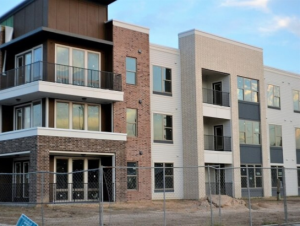
Regular payments made by owners of individual units of a property(like individual apartments in a housing complex) to a collective organisation (also known as a body corporate) for covering the costs of maintaining and managing the shared common areas of the property is known as body corporate fees. Body corporate fees are used to pay for expenses such as building insurance, building repairs, gardening, and access to amenities like swimming pools or lifts.
Body corporate (also called strata or owners’ corporation) fees are the ongoing levies owners pay to manage shared property. They cover everything from insurance and maintenance to administrative costs and sinking-fund contributions for longer-term repairs. In Australia, body corporate fees for apartments owners within a housing complex are very common. Body corporate fees in Australia also vary a lot – by building size, building’s age, facilities and how actively the committee plans for future works. –
Body Corporate Fees for Apartments
For apartment owners, body corporate fees typically break into two parts: the administrative fund and the sinking (or capital works) fund. The administrative fund pays day-to-day expenses – cleaning, gardening, utilities for common areas, management fees and insurance, etc. The sinking fund is for roof repairs, repainting and lifts.
Body corporate fees for apartments depend on building features. A low-rise block with basic landscaping and no pool will cost far less than a high-rise with concierge, gym, pool and multiple lifts. Fees are usually calculated by a “unit entitlement” – an ownership share assigned to each lot – so larger or premium apartments generally pay a higher share. Always check the latest budget and sinking-fund forecast before buying; they reveal upcoming large expenses and whether levies have been stable or spiking.
Body Corporate Fees in Queensland
For body corporate fees, Queensland has its own legislation and dispute resolution framework. Queensland has a mix of apartments, townhouses and mixed-use buildings – coastal resort complexes with pools and gardens, which often attract higher levies. It also has inner-city or older buildings, which can have lower levies but with less predictable maintenance.
Queensland’s body corporates are required to prepare budgets and meet legal obligations for insurance and financial reporting. Many committees organise professional strata managers, and those management fees show up in levies. Importantly, owners in Queensland should look at the body corporate’s sinking-fund forecast – Queensland law encourages planning for long-term capital works, and the presence (or absence) of a healthy sinking fund can mean the difference between small regular levies and sudden large special levies.
Body Corporate Fees in Brisbane
For body corporate fees, Brisbane is a market with high potential. Brisbane’s body corporate fees vary widely across suburbs and building types. Inner-city high-rise developments with on-site facilities (pools, gyms, concierge, secure parking) typically sit at the higher end because of ongoing maintenance and utilities. Smaller suburban apartment complexes or older buildings in Brisbane without many shared amenities usually have lower body corporate fees.
Real estate buyers in Brisbane should pay attention to recent meeting minutes, as these show committee decisions on maintenance and any planned upgrades. Also check whether the building has had recent special levies – a history of special levies could indicate deferred maintenance. If you are comparing suburbs, weigh the lifestyle benefits of facilities against the higher levies they bring.
Body Corporate Fees in Gold Coast
The Gold Coast market is unique: many complexes are designed for holiday-style living with pools, BBQ areas, landscaped gardens and lift systems – all of which add to maintenance costs. Tourist-oriented buildings can have higher wear and tear and consequently greater maintenance budgets. Owners who rent out short-term should factor in slightly higher operating costs and possibly different insurance arrangements. So, regarding body corporate fees, the Gold Coast area has huge potential.
That said, not every Gold Coast property is expensive to run. Smaller low-rise complexes inland or older developments without resort facilities can be surprisingly affordable. As always, check the body corporate’s financials, insurance certificates and the minutes for recent issues – coastal buildings may also face higher costs related to salt corrosion and more frequent painting cycles.
To sum up, we can say that body corporate fees are a normal part of apartment ownership – but understanding what you are paying for and the building’s financial health can keep unpleasant surprises in terms of body corporate fees to a minimum.
How are the Fees for Body Corporates Calculated?
The calculation of body corporate fees is based on the annual budget prepared by the body corporate committee or strata manager. It is first calculated and then gets equally divided between the owners. The budget considers various factors, including administrative costs, maintenance and repairs, utilities and services, reserve fund and additional amenities.
Consider this factor when deciding on an investment property, as high strata fees can take a toll on your rental profits.
Who Pays the Body Corporate Fees?
As a standard practice, landlords incorporate body corporate fees into the rent that the occupier pays throughout their stay.
How Much Fees do are Body Corporates Charge?
Body corporate fees for appartments vary widely between $1,500 to upwards of $25,000 per annum, depending on the kind of complex or property you’re staying in. Usually, it is paid quarterly.
What are the Responsibilities of a Body Corporate
A body’s corporate responsibilities include the following:
• Maintaining, managing, and controlling common property on behalf of the owners.
• Calculating body corporate fees and resident payment schedule, making and enforcing body corporate rules about what residents can and can’t do.
• Managing and controlling body corporate assets.
• Ensuring insurance of the building and any common property.
• Keeping records, such as minutes of meetings, a roll of owner details, finance accounts, asset registries, and other financial and legal documentation.
Understanding Body Corporate Budgets
• Annual General Meeting: The body corporate committee presents the proposed budget at the AGM, where all owners can review, discuss, and vote on its approval.
• Fee Apportionment: Body corporate fees are typically apportioned based on the unit’s lot entitlement or unit entitlement, which is determined by the property’s size, location, and other factors.
• Special Levies: In certain situations, such as unexpected repair costs or insufficient funds in the reserve fund, the body corporate may impose special levies in addition to regular fees.
• Fee Increases: Fee adjustments may occur annually or when necessary to meet the changing needs of the strata scheme. Increases are subject to approval by a majority vote at the AGM.
Benefits of Paying Body Corporate Fees
• Proper Maintenance: Regular fee payments ensure that common areas and shared facilities receive necessary maintenance, promoting the overall value and livability of the property.
• Financial Stability: The reserve fund, funded by body corporate fees, acts as a safety net for future capital works and unexpected expenses, preventing the need for hefty, unexpected levies.
• Professional Management: Engaging a strata manager or strata managementcompany with the fees allows for professional administration and effective compliance with strata regulations.
• Shared Responsibility: Owners collectively share the financial burden of maintaining and improving the strata scheme by contributing to the fees.
Conclusion
Body corporate fees for apartments play a vital role in the functioning and upkeep of strata-titled properties. Now you know how these fees are calculated, what they cover, and their significance in a strata scheme is crucial for property owners. By actively participating in the body corporate processes and paying fees on time, owners contribute to a well-maintained, financially stable, and harmonious living environment within their community.
Are you an apartment or property owner who requires an owners’ corporation? Our Body Corp can provide you with leading technology and the locally-based support you need. We can help you gain more control over managing your strata building with the help of our leading online strata management software and service solution. Our cloud-based online solution lets you know where your owner’s funds are being spent. Contact us today at 1300848343.
FAQs
What are body corporate fees, and what do they cover?
Levies, which owners of individual units pay to run and maintain shared areas in a strata property, is known as body corporate fee. Insurance, cleaning, gardening, repairs, management costs and contributions to long-term maintenance funds are generally covered under the ambit of body corporate fees.
How are body corporate fees calculated for apartments in Australia?
Body corporate fees are generally calculated on the basis of unit entitlements, which correspond to each apartment’s share of ownership in the building complex. The overall budget for maintenance, insurance and management is divided across owners of individual units on the basis of those entitlements.
Why do body corporate fees differ between townhouses and apartments?
Townhouses often have fewer shared facilities and simple common areas as compared to apartments in a modern housing complex, which is the reason for generally higher body corporate fees for apartments.
What is included in body corporate fees in Queensland?
Generally, body corporate fees in Queensland include building insurance, cleaning and maintenance of shared areas, utilities for common spaces such as swimming pool, gym, etc. and strata management costs. Long-term repairs through the sinking fund are also funded through body corporate fees.
What is the average cost of body corporate fees in Brisbane?
Body corporate fees in Brisbane generally range from A$3,000 to A$6,000 per year.
Are body corporate fees higher on the Gold Coast?
Generally, body corporate fees are high on the Gold Coast because many buildings here have the facilities of swimming pools, lifts and resort-style facilities, which require more maintenance costs.
How do I estimate my body corporate fees using a calculator?
In order to get a rough estimate of body corporate fees, one can take the help of a body corporate fees calculator, where one can enter details like property type, size, location and shared facilities.


One thought on “A Complete Guide to Body Corporate Fees”
Can you explain why a corporate body would charge management fees and then an additional charge of administrative charges